首页 文章 精选 留言 我的

精选列表

搜索[Java库],共10000篇文章
优秀的个人博客,低调大师

java源码-LinkedHashMap

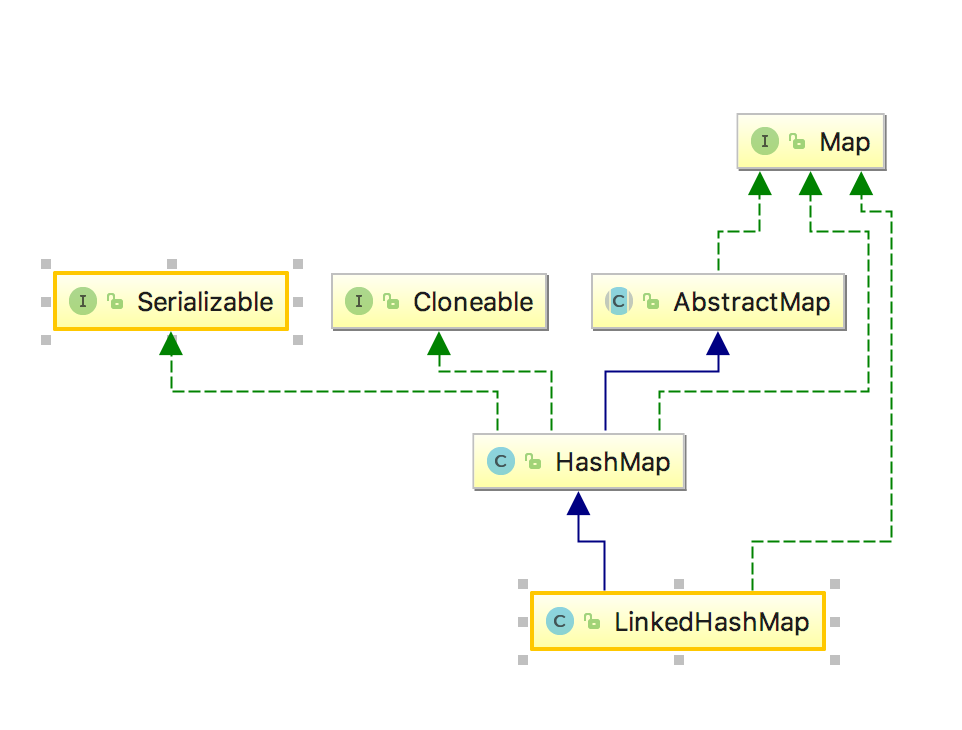
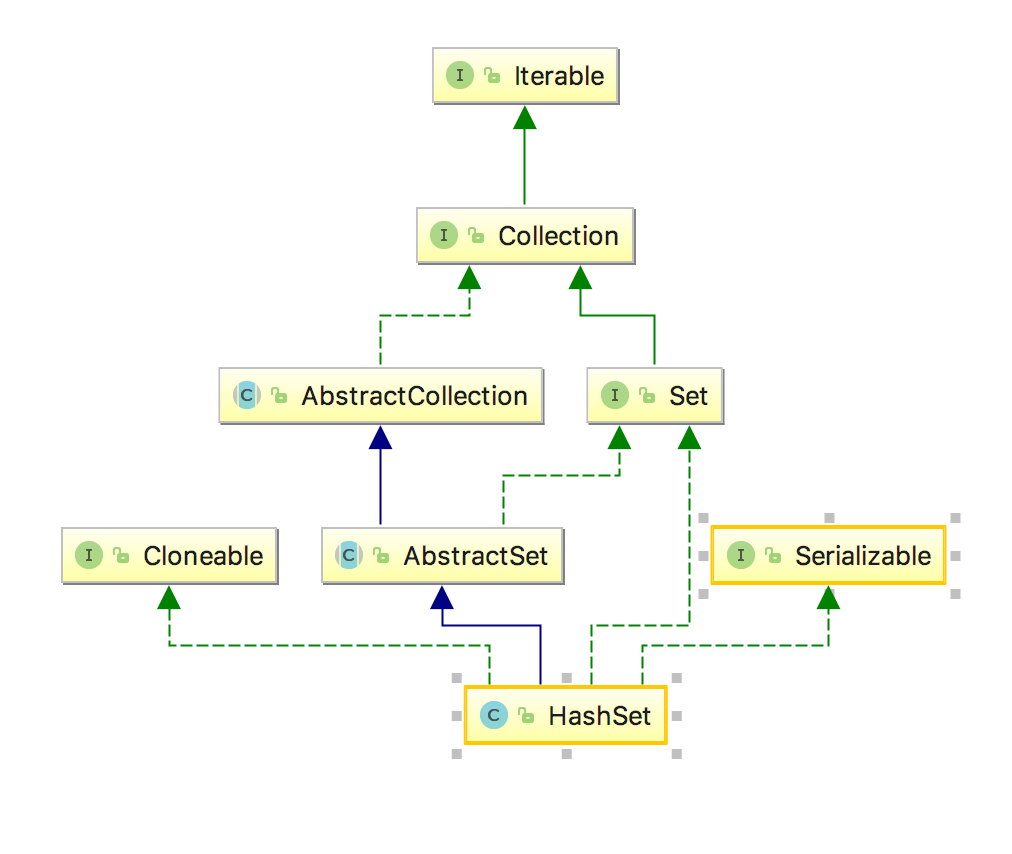
开篇 LinkedHashMap是HashMap的变种,有一些额外的特性其中最重要的就是维护数据插入的有序性,这篇文章就是为了讲清楚LinkedHashMap的实现细节。 LinkedHashMap类图 LinkedHashMap类图 LinkedHashMap和HashMap的差别 LinkedHashMap可以认为是HashMap+LinkedList,即它既使用HashMap操作数据结构,又使用LinkedList维护插入元素的先后顺序。 LinkedHashMap除了维持Map的有序性质外,其他和HashMap是一模一样的, LinkedHashMap实现细节 从LinkedHashMap的类依赖图可以看出来,LinkedHashMap其实是继承自HashMap类,所以LinkedHashMap的所有接口基本上都是继承自己HashMap类,当然也存在一个非常核心的差别。 LinkedHashMap用于存储key/value的结果是继承自己HashMap的,但是LinkedHashMap本身维护着一个有序列表。 head是LinkedHashMap的列表头,tail是LinkedHashMap的列表尾,通过这两个变量保证了维护LinkedHashMap的插入顺序。 LinkedHashMap的Entry相比HashMap.Node对象增加了before和after两个变量,由于指向前后节点。 LinkedHashMap通过重写HashMap的newNode方法,创建Entry对象并在内部初始化了HashMap当中的Node节点。 在创建Entry的newNode过程中通过linkNodeLast()方法按照put顺序维持LinkHashMap的有序性。 public class LinkedHashMap<K,V> extends HashMap<K,V> implements Map<K,V> { static class Entry<K,V> extends HashMap.Node<K,V> { Entry<K,V> before, after; Entry(int hash, K key, V value, Node<K,V> next) { super(hash, key, value, next); } } // 保存HashMap有序列表的头 transient LinkedHashMap.Entry<K,V> head; // 保存HashMap有序列表的尾 transient LinkedHashMap.Entry<K,V> tail; final boolean accessOrder; private void linkNodeLast(LinkedHashMap.Entry<K,V> p) { LinkedHashMap.Entry<K,V> last = tail; tail = p; if (last == null) head = p; else { p.before = last; last.after = p; } } Node<K,V> newNode(int hash, K key, V value, Node<K,V> e) { LinkedHashMap.Entry<K,V> p = new LinkedHashMap.Entry<K,V>(hash, key, value, e); linkNodeLast(p); return p; } private void linkNodeLast(LinkedHashMap.Entry<K,V> p) { LinkedHashMap.Entry<K,V> last = tail; tail = p; if (last == null) head = p; else { p.before = last; last.after = p; } } LinkedHashMap实际存储结构图 image.png 说明: 上述按照Entry1->Entry6的顺序进行存储的,不过这个图有些问题,正常的情况是head就是Entry1的对象,tail是Entry6的对象。 参考文章 图解LinkedHashMap原理

优秀的个人博客,低调大师

Java CompletableFuture : thenAcceptBothAsync

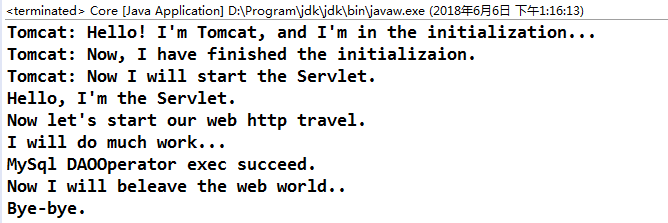
CompletableFuture<String> future1 = CompletableFuture.supplyAsync(new Supplier<String>() { @Override public String get() { return "zhangphil"; } }); CompletableFuture<Integer> future2 = CompletableFuture.supplyAsync(new Supplier<Integer>() { @Override public Integer get() { return 2018; } }); future2.thenAcceptBothAsync(future1, new BiConsumer<Integer, String>() { @Override public void accept(Integer integer, String s) { System.out.println(integer + " , " + s); } }); 输出: 2018 , zhangphil

资源下载

更多资源
Mario

Mario

马里奥是站在游戏界顶峰的超人气多面角色。马里奥靠吃蘑菇成长,特征是大鼻子、头戴帽子、身穿背带裤,还留着胡子。与他的双胞胎兄弟路易基一起,长年担任任天堂的招牌角色。

Nacos

Nacos

Nacos /nɑ:kəʊs/ 是 Dynamic Naming and Configuration Service 的首字母简称,一个易于构建 AI Agent 应用的动态服务发现、配置管理和AI智能体管理平台。Nacos 致力于帮助您发现、配置和管理微服务及AI智能体应用。Nacos 提供了一组简单易用的特性集,帮助您快速实现动态服务发现、服务配置、服务元数据、流量管理。Nacos 帮助您更敏捷和容易地构建、交付和管理微服务平台。

Spring

Spring

Spring框架(Spring Framework)是由Rod Johnson于2002年提出的开源Java企业级应用框架,旨在通过使用JavaBean替代传统EJB实现方式降低企业级编程开发的复杂性。该框架基于简单性、可测试性和松耦合性设计理念,提供核心容器、应用上下文、数据访问集成等模块,支持整合Hibernate、Struts等第三方框架,其适用范围不仅限于服务器端开发,绝大多数Java应用均可从中受益。

Rocky Linux

Rocky Linux

Rocky Linux(中文名:洛基)是由Gregory Kurtzer于2020年12月发起的企业级Linux发行版,作为CentOS稳定版停止维护后与RHEL(Red Hat Enterprise Linux)完全兼容的开源替代方案,由社区拥有并管理,支持x86_64、aarch64等架构。其通过重新编译RHEL源代码提供长期稳定性,采用模块化包装和SELinux安全架构,默认包含GNOME桌面环境及XFS文件系统,支持十年生命周期更新。

用户登录
用户注册