首页 文章 精选 留言 我的

精选列表

搜索[前端],共10000篇文章
优秀的个人博客,低调大师

前端百题——竟然有五种方式实现flat方法

1 背景 不知道老铁们有没有遇到过一道面试题:如何将一个多维数组展开成一个一维数组?当时我遇到的时候还不了解flat这个神奇的方法,用了最传统的解决方法进行解决。 const flatten = arr => arr.toString().split(',').map(item => +item); const arr = [1, 2, [3, 4, [5, 6]]]; console.log(flatten(arr)); // [ 1, 2, 3, 4, 5, 6 ] 复制代码 上述方法是不是很神奇,会将多层级的数组展开成为一个层级,但是该方式其实存在很大问题的,下面让我们一起看看这些问题。 不管多少层级都会展开为一个层级; 处理后的结果其实都是字符串,需要后续再转换为原来的类型。 正是基于这个契机,发现了ES6新增了flat函数,这个函数天生就是为数据扁平化处理而生的。 2 flat基础 flat() 方法会按照一个可指定的深度递归遍历数组,并将所有元素与遍历到的子数组中的元素合并为一个新数组返回。 flat方法的用法如下所示: const newArray = arr.flat([depth]) 复制代码 小试牛刀 const arr = [1, 2, [3, 4, [5, 6]]]; console.log(arr.flat(1)); // [ 1, 2, 3, 4, [ 5, 6 ] ] console.log(arr.flat(2)); // [ 1, 2, 3, 4, 5, 6 ] 复制代码 3 实现 flat这么香,那么我们是否可以自己实现一个呢?实现该方法的方式有很多,下面就让我们一起看看这五种方式。(注:这五种方式试MDN上给出的替代方案) 3.1 使用reduce和concat 该方式实现起来虽然很简单,但是存在一个很大的缺陷:只能展开一层,对于多层的情况将无能为力。其思想总结起来为以下两个步骤: 利用reduce函数去依次处理每个数组中的元素; 利用concat将当前的数组元素(值或子数组)添加到结果数组中。 // 使用reduce和concat Array.prototype.flat1 = function () { return this.reduce((acc, val) => acc.concat(val), []); } 复制代码 3.2 使用reduce + concat + isArray + recursivity 该方式已经具备展开多层的能力了,其实现思想可总结为以下几点: 利用reduce函数去依次处理每个数组中的元素; 利用concat将当前元素添加到结果数组中; 利用isArray判断当前数组中的元素是不是一个数组; 利用递归思想展开多层级的数组。 // 使用reduce + concat + isArray +recursivity Array.prototype.flat2 = function (deep = 1) { const flatDeep = (arr, deep = 1) => { return deep > 0 ? arr.reduce((acc, val) => acc.concat(Array.isArray(val) ? flatDeep(val, deep - 1) : val), []) : arr.slice(); } return flatDeep(this, deep); } 复制代码 3.3 使用forEach + concat + isArray +recursivity 该方式与上述方式很类似,能够设定层级展开,只是遍历数组由reduce转换为forEach。 // 使用forEach + concat + isArray +recursivity // forEach 遍历数组会自动跳过空元素 Array.prototype.flat3 = function (deep = 1) { const result = []; (function flat(arr, deep) { arr.forEach((item) => { if (Array.isArray(item) && deep > 0) { flat(item, deep - 1); } else { result.push(item); } }) })(this, deep); return result; } 复制代码 3.4 使用for of + concat + isArray +recursivity 该方式与上述方式很类似,能够设定层级展开,只是遍历数组利用了for of方法 // 使用for of + concat + isArray +recursivity // for of 遍历数组会自动跳过空元素 Array.prototype.flat4 = function (deep = 1) { const result = []; (function flat(arr, deep) { for(let item of arr) { if (Array.isArray(item) && deep > 0) { flat(item, deep - 1); } else { // 去除空元素,因为void 表达式返回的都是undefined,不适用undefined是因为undefined在局部变量会被重写 item !== void 0 && result.push(item); } } })(this, deep); return result; } 复制代码 3.5 使用堆栈stack 该方式主要利用堆栈的思想,将一个多层数组全部展开为一层。其思想可总结为以下几个步骤: 将要处理的数组放到一个栈中处理; 从栈顶取出元素,判断该元素类型,若为数组,则将该数组展开再放回栈顶;若为普通元素则将其放到结果中; 循环遍历,至到栈为空。 // 使用堆栈stack Array.prototype.flat5 = function() { const stack = [...this]; const result = []; while (stack.length > 0) { const next = stack.pop(); if (Array.isArray(next)) { stack.push(...next); } else { result.push(next); } } // 反转恢复原来顺序 return result.reverse(); } 复制代码 1.如果觉得这篇文章还不错,来个分享、点赞吧,让更多的人也看到 如果你觉得这篇文章对你有点用的话,麻烦请给我们的开源项目点点star: http://github.crmeb.net/u/defu 不胜感激 ! 来自 “开源世界 ” ,链接: https://ym.baisou.ltd/post/737.html ,如需转载,请注明出处,否则将追究法律责任。 ​​​​​​

优秀的个人博客,低调大师

前端进阶算法4:链表原来如此简单(+leetcode刷题)

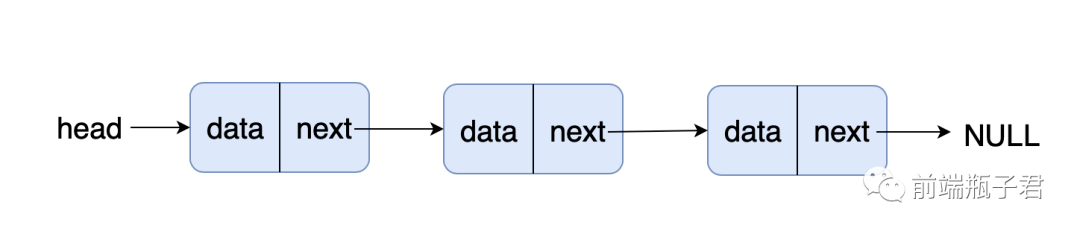
引言 链表相对于数组来说,要复杂的多,首先,链表不需要连续的内存空间,它是由一组零散的内存块透过指针连接而成,所以,每一个块中必须包含当前节点内容以及后继指针。最常见的链表类型有单链表、双链表以及循环链表。 学习链表最重要的是 多画图多练习 ,没有捷径可循,在遇到链表问题时,瓶子君总结了一下,可以按照以下五步骤: 确定解题的数据结构:单链表、双链表或循环链表等 确定解题思路:如何解决问题 画图实现:画图可以帮助我们发现思维中的漏洞(一些思路不周的情况) 确定边界条件:思考解题中是否有边界问题以及如何解决 代码实现:解题完成 本文会给常用链表(单链表、双链表以及循环链表)的基本操作已经代码实现,并给出实现思路,这些都是链表解题的基石,请务必掌握! 最后附赠一道 leetcode 题目! 下面开始本节的学习吧!!! 一、单链表 img 单链表结构: function List () { // 节点 let Node = function (element) { this.element = element this.next = null } // 初始头节点为 null let head = null // 链表长度 let length = 0 // 操作 this.getList = function() {return head} this.search = function(list, element) {} this.append = function(element) {} this.insert = function(position, element) {} this.remove = function(element){} this.isEmpty = function(){} this.size = function(){} } 1. 追加节点: 确定解题的数据结构:单链表 确定解题思路: 初始化一个节点(待追加节点),遍历到链尾,在尾节点后插入该节点 画图实现: 确定边界条件: 当链表为 null ,直接将 head 指向待插入节点,不需要遍历 代码实现: function append (element) { let node = new Node(element), p = head if (!head){ head = node } else { while (p.next) { p = p.next } p.next = node } length += 1 } // 测试 let list = new List() for(let i = 0; i < 5; i+=1) { list.append(i) } 解题完成 2. 查找: 确定解题的数据结构:单链表 确定解题思路: 遍历单链表,判断节点值是否等于待查找值,相等则返回 true ,否则继续遍历下一个节点,直到遍历完整个链表还未找到,则返回 false 画图实现: 很简单,读者可以尝试画一下 确定边界条件: 当链表为 null ,可直接返回 false 代码实现: // 判断链表中是否存在某节点 function search(element) { let p = head if (!p) return false while(p) { if (p.element === element) return true p = p.next } return false } // 测试 list.search(4) // true list.search(11) // false 解题完成 3. 在 position 位置插入: 确定解题的数据结构:单链表 确定解题思路: 初始化一个节点(待插入节点 node ),遍历到 position 前一个位置节点,在该节点后插入 node 画图实现:img 确定边界条件: 当 position 为 0 时,直接将插入节点 node.next 指向 head , head 指向 node 即可,不需要遍历 当待插入位置 position < 0 或超出链表长度 position > length ,都是有问题的,不可插入,此时直接返回 null ,插入失败 代码实现: // 插入 position 的后继节点 function insert (position, element) { // 创建插入节点 let node = new createNode(element) if (position >= 0 && position <= length) { let prev = head, curr = head, index = 0 if(position === 0) { node.next = head head = node } else { while(index < position) { prev = curr curr = curr.next index ++ } prev.next = node node.next = curr } length += 1 } else { return null } } // 测试 list.insert(10) 解题完成 4. 删除: 确定解题的数据结构:单链表 确定解题思路: 遍历单链表,找到待删除节点,删除 画图实现:img 确定边界条件: 当链表为 null ,直接返回 代码实现: // 删除值为 element 节点 function remove (element) { let p = head, prev = head if(!head) return while(p) { if(p.element === element) { p = p.next prev.next = p } else { prev = p p = p.next } } } 解题完成 5. 复杂度分析: 查找:从头节点开始查找,时间复杂度为 O(n) 插入或删除:在某一节点后插入或删除一个节点(后继节点)的时间复杂度为 O(1) 链表五步骤是不是很好用,下面看一下双链表 二、双链表 顾名思义,单链表只有一个方向,从头节点到尾节点,那么双链表就有两个方向,从尾节点到头节点: function DoublyLinkedList() { let Node = function(element) { this.element = element // 前驱指针 this.prev = null // 后继指针 this.next = null } // 初始头节点为 null let head = null // 新增尾节点 let tail = null // 链表长度 let length = 0 // 操作 this.search = function(element) {} this.insert = function(position, element) {} this.removeAt = function(position){} this.isEmpty = function(){ return length === 0 } this.size = function(){ return length } } 1. 在 position 位置插入节点: 确定解题的数据结构: 双链表 确定解题思路: 初始化一个节点(待插入节点 node ),遍历链表到 position 前一个位置节点,在该节点位置后插入 node 画图实现: 确定边界条件: 当待插入位置 position < 0 或超出链表长度 position > length ,都是有问题的,不可插入,此时直接返回 null ,插入失败 代码实现: // 插入 position 的后继节点 function insert (position, element) { // 创建插入节点 let node = new Node(element) if (position >= 0 && position < length) { let prev = head, curr = head, index = 0 if(position === 0) { // 在第一个位置添加 if(!head) { // 注意这里与单链表不同 head = node tail = node } else { // 双向 node.next = head head.prev = node // head 指向新的头节点 head = node } } else if(position === length) { // 插入到尾节点 curr = tial curr.next = node node.prev = curr // tail 指向新的尾节点 tail = node } else { while(index < position) { prev = curr curr = curr.next index ++ } // 插入到 prev 后,curr 前 prev.next = node node.next = curr curr.prev = node node.prev = prev } length += 1 return true } else { return false } } // 测试 list.insert(10) 解题完成 2. 删除: 确定解题的数据结构: 双链表 确定解题思路: 遍历双链表,找到待删除节点,删除 画图实现: 确定边界条件: 当链表为 null ,直接返回 代码实现: // 删除 position 位置的节点 function removeAt (position) { if (position >= 0 && position < length && length > 0) { let prev = head, curr = head, index = 0 if(position === 0) { // 移除头节点 if(length === 1) { // 仅有一个节点 head = null tail = null } else { head = head.next head.prev = null } } else if(position === length-1) { // 移除尾节点 curr = tial tail = curr.prev tail.next = null } else { while(index < position) { prev = curr curr = curr.next index ++ } // 移除curr prev.next = curr.next curr.next.prev = prev } length -= 1 return curr.element } else { return null } } 解题完成 3. 查找: 双链表的查找和单链表类似,都是遍历链表,找到返回 true,找不到返回 false 。 4. 复杂度分析: 查找:查找前驱节点或后继节点时间复杂度为 O(1),其它节点仍为 O(n) 插入或删除:插入或删除前驱节点或后继节点的时间复杂度都为 O(1) > 三、循环单链表 循环单链表是一种特殊的单链表,它和单链表的唯一区别是:单链表的尾节点指向的是 NULL,而循环单链表的尾节点指向的是头节点,这就形成了一个首尾相连的环:img 既然有循环单链表,当然也有循环双链表,循环双链表和双链表不同的是: 循环双链表的 tail.next( tail 的后继指针) 为 null ,循环双链表的 tail.next 为 head 循环双链表的 head.prev( head 的前驱指针) 为 null ,循环双链表的 head.prev 为 tail 这里以循环单列表为例 function CircularLinkedList() { let Node = function(element) { this.element = element // 后继指针 this.next = null } // 初始头节点为 null let head = null // 链表长度 let length = 0 // 操作 this.search = function(element) {} this.insert = function(positon, element) {} this.removeAt = function(position){} this.isEmpty = function(){ return length === 0 } this.size = function(){ return length } } 1. 在 positon 后插入: 确定解题的数据结构: 循环单链表 确定解题思路: 初始化一个节点(待插入节点 node ),遍历到 position 前一个位置节点,在该节点后插入 node 画图实现: 确定边界条件: 当 position 为 0 时,需要遍历到尾节点,然后在尾节点后插入节点 , 并将 head 指向 当待插入位置 position < 0 或超出链表长度 position > length ,都是有问题的,不可插入,此时直接返回 null ,插入失败 代码实现: // 插入 position 的后继节点 function insert (position, element) { // 创建插入节点 let node = new createNode(element) if (position >= 0 && position <= length) { let prev = head, curr = head, index = 0 if(position === 0) { // 与单链表插入不同的 while(index < length) { prev = curr curr = curr.next index ++ } prev.next = node node.next = curr head = node } else { while(index < position) { prev = curr curr = curr.next index ++ } prev.next = node node.next = curr } length += 1 } else { return null } } // 测试 list.insert(10) 解题完成 2. 查找: 和单链表类似,唯一不同的是:循环单链表的循环结束条件为 p !== head // 判断链表中是否存在某节点 function search(element) { let p = head if (!p) return false // 和单链表的不同所在 while(p !== head) { if (p.element === element) return true p = p.next } return false } // 测试 list.search(4) // true list.search(11) // false 解题完成 3. 删除: 和单链表类似,唯一不同的是:循环单链表的循环结束条件为 p !== head // 删除值为 element 节点 function remove (element) { let p = head, prev = head if(!head) return while(p !== head) { if(p.element === element) { p = p.next prev.next = p } else { prev = p p = p.next } } } 解题完成 4. 复杂度分析 查找:循环链表从任一节点开始查找目标节点,时间复杂度为 O(n) 插入或删除:它和单链表一样,后继节点插入及删除的时间复杂度为 O(1) > 四、leetcode21:合并两个有序链表 将两个升序链表合并为一个新的升序链表并返回。新链表是通过拼接给定的两个链表的所有节点组成的。 示例: 输入:1->2->4, 1->3->4 输出:1->1->2->3->4->4 欢迎将答案提交到 https://github.com/sisterAn/JavaScript-Algorithms/issues/11,让更多人看到,瓶子君也会在明日放上自己的解答。

资源下载

更多资源
优质分享App

优质分享App

近一个月的开发和优化,本站点的第一个app全新上线。该app采用极致压缩,本体才4.36MB。系统里面做了大量数据访问、缓存优化。方便用户在手机上查看文章。后续会推出HarmonyOS的适配版本。

Nacos

Nacos

Nacos /nɑ:kəʊs/ 是 Dynamic Naming and Configuration Service 的首字母简称,一个易于构建 AI Agent 应用的动态服务发现、配置管理和AI智能体管理平台。Nacos 致力于帮助您发现、配置和管理微服务及AI智能体应用。Nacos 提供了一组简单易用的特性集,帮助您快速实现动态服务发现、服务配置、服务元数据、流量管理。Nacos 帮助您更敏捷和容易地构建、交付和管理微服务平台。

Spring

Spring

Spring框架(Spring Framework)是由Rod Johnson于2002年提出的开源Java企业级应用框架,旨在通过使用JavaBean替代传统EJB实现方式降低企业级编程开发的复杂性。该框架基于简单性、可测试性和松耦合性设计理念,提供核心容器、应用上下文、数据访问集成等模块,支持整合Hibernate、Struts等第三方框架,其适用范围不仅限于服务器端开发,绝大多数Java应用均可从中受益。

Rocky Linux

Rocky Linux

Rocky Linux(中文名:洛基)是由Gregory Kurtzer于2020年12月发起的企业级Linux发行版,作为CentOS稳定版停止维护后与RHEL(Red Hat Enterprise Linux)完全兼容的开源替代方案,由社区拥有并管理,支持x86_64、aarch64等架构。其通过重新编译RHEL源代码提供长期稳定性,采用模块化包装和SELinux安全架构,默认包含GNOME桌面环境及XFS文件系统,支持十年生命周期更新。

用户登录
用户注册
修改密码
忘记密码