Java描述设计模式(24):备忘录模式
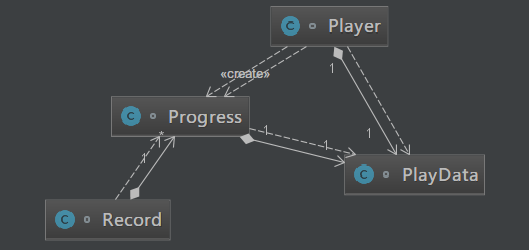
本文源码:GitHub·点这里 || GitEE·点这里 一、生活场景 1、场景描述 常见的视频播放软件都具备这样一个功能:假设在播放视频西游记,如果这时候切换播放视频红楼梦,当再次切回播放西游记时,视频会从上次切走的时间点继续播放。下面基于备忘录设计模式来描述该场景流程。 2、场景图解 3、代码实现 public class C01_InScene { public static void main(String[] args) { Record record = new Record() ; Player player = new Player() ; PlayData pd1 = new PlayData("西游记","19:19") ; PlayData pd2 = new PlayData("红楼梦","29:19") ; player.setPlayData(pd1); player.saveProgress() ; System.out.println("正在播放:"+ player.getPlayData().getVideoName()+":"+ player.getPlayData().getPlayTime()); record.put(new Progress(pd1)); System.out.println("===切换播放视频==="); player.setPlayData(pd2); player.saveProgress() ; System.out.println("正在播放:"+ player.getPlayData().getVideoName()+":"+ player.getPlayData().getPlayTime()); record.put(new Progress(pd1)); System.out.println("===切回上个视频==="); player.resumeProgress(record.get(pd1.getVideoName())); System.out.println("正在播放:"+ player.getPlayData().getVideoName()+":"+ player.getPlayData().getPlayTime()); } } /** * 视频播放器 */ class Player { private PlayData playData ; public PlayData getPlayData() { return playData; } public void setPlayData(PlayData playData) { this.playData = playData; } public Progress saveProgress (){ return new Progress(playData) ; } public void resumeProgress (Progress progress){ playData = progress.getPlayData() ; } } /** * 播放进度 */ class Progress { private PlayData playData ; public Progress (PlayData playData){ this.playData = playData ; } public PlayData getPlayData() { return playData ; } } /** * 播放记录 */ class Record { private Map<String,Progress> dataMap = new HashMap<>() ; public void put (Progress progress){ dataMap.put(progress.getPlayData().getVideoName(),progress) ; } public Progress get (String videoName){ return dataMap.get(videoName) ; } } /** * 播放状态描述 */ class PlayData { private String videoName ; private String playTime ; public PlayData(String videoName, String playTime) { this.videoName = videoName; this.playTime = playTime; } public String getVideoName() { return videoName; } public void setVideoName(String videoName) { this.videoName = videoName; } public String getPlayTime() { return playTime; } public void setPlayTime(String playTime) { this.playTime = playTime; } } 执行效果: 正在播放:西游记:19:19 ===切换播放视频=== 正在播放:红楼梦:29:19 ===切回上个视频=== 正在播放:西游记:19:19 二、备忘录模式 1、基础概念 备忘录模式属于行为型模式,其用意在不破坏封装性的前提下,捕获一个对象的内部状态,并在该对象之外保存这个状态。后续可将该对象恢复到原先保存的状态。备忘录对象主要用来记录一个对象的某种状态,或者某些数据,当要做回退时,可以从备忘录对象里获取原来的数据进行恢复操作。 2、模式图解 3、核心角色 备忘录角色 负责保存对象状态的记录,即Originator内部状态。 发起人角色 创建一个含有当前的内部状态的备忘录对象,用来保存状态。 守护者对象 提供合理的方式,负责保存多个备忘录对象。 4、源码实现 public class C02_Memento { public static void main(String[] args) { Originator originator = new Originator(); Caretaker caretaker = new Caretaker(); originator.setState("状态1:State01"); caretaker.add(originator.saveStateMemento()); originator.setState("状态2:State02"); caretaker.add(originator.saveStateMemento()); System.out.println("当前的状态是 =" + originator.getState()); // 恢复状态 originator.getStateFromMemento(caretaker.get(0)); System.out.println("当前的状态是 =" + originator.getState()); } } /** * 守护者对象 */ class Caretaker { private List<Memento> mementoList = new ArrayList<>(); public void add(Memento memento) { mementoList.add(memento); } public Memento get (int index) { return mementoList.get(index); } } /** * 备忘录角色 */ class Memento { private String state; public Memento(String state) { super(); this.state = state; } public String getState() { return state; } } /** * 发起人角色 */ class Originator { private String state; public String getState() { return state; } public void setState(String state) { this.state = state; } public Memento saveStateMemento() { return new Memento(state); } public void getStateFromMemento(Memento memento) { state = memento.getState(); } } 三、模式总结 1、优缺点描述 备忘录模式提供一种可以恢复状态的机制,实现状态的封装,能够比较方便地回到某个历史的状态;常常与命令模式和迭代器模式一同使用。如果类的成员变量过多,会占用比较大的内存资源,为了节约内存,备忘录模式可以和原型模式配合使用。 2、应用场景 浏览器的前进和回退; 数据库备份与还原; 编辑器Ctrl+Z撤销; 虚拟机生成快照与恢复; Git版本管理,代码的提交和回滚。 四、源代码地址 GitHub·地址 https://github.com/cicadasmile/model-arithmetic-parent GitEE·地址 https://gitee.com/cicadasmile/model-arithmetic-parent