Team-Level Memory for AI Agents: Architecture Patterns
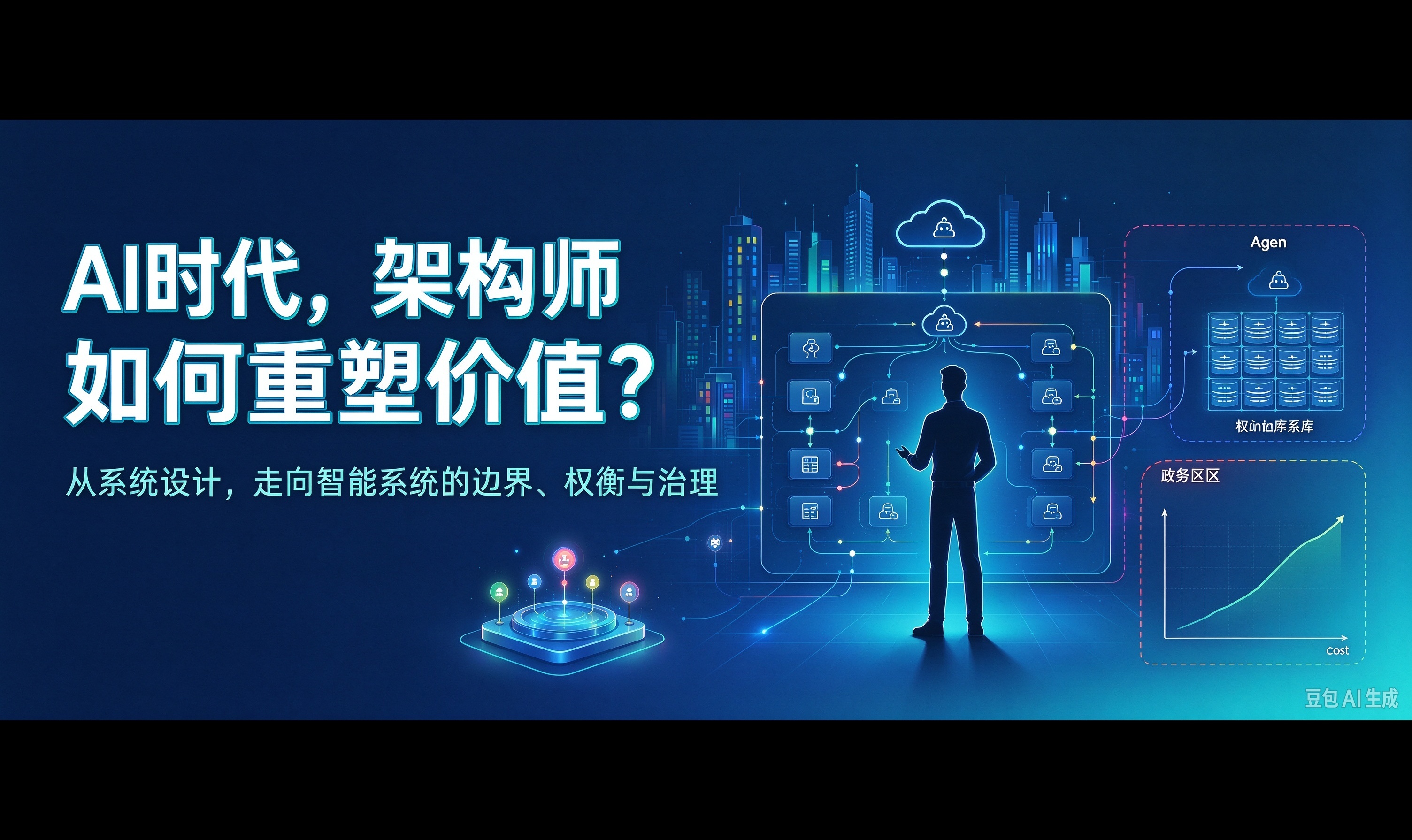
Multi-agent systems are everywhere in 2026 — research agents, coding agents, review agents, each with a role. But there's a gap most architectures don't address: **how do agents share what they've learned?** Without shared memory, every agent starts from scratch. The scout agent does market research; the builder agent doesn't benefit. The reviewer finds a bug; next sprint, a different agent hits the same bug. Team-level memory closes that gap. ## What Team-Level Memory Means It's not a shared chat log. It's a governed asset library where: |Asset|What It Stores|How It's Shared| | --- | --- | --- | |Chat Memory|User preferences, decisions, interaction history|Private by default; explicitly shared with team| |Skill|Reusable workflows with versions, triggers, validation rules|Private → reviewed → team-shared → assigned to agents| |Wiki|Structured document pages with link graph|Team-visible by default| |CodeGraph|Code symbols, call relationships, impact paths|Team-visible; assigned to specific agents| ## Architecture: The Memory Hub Pattern [TencentDB Agent Memory](https://github.com/TencentCloud/TencentDB-Agent-Memory) implements team-level memory through a central **Memory Hub**: ``` ┌─────────────────────────────────────────────┐ │ Memory Hub │ │ │ │ ┌──────────┐ ┌──────┐ ┌─────┐ ┌──────────┐ │ │ │Chat Mem │ │Skill │ │Wiki │ │CodeGraph │ │ │ └──────────┘ └──────┘ └─────┘ └──────────┘ │ │ │ │ Permissions · Versions · Ownership · ACL │ └──────────┬──────────┬──────────┬─────────────┘ │ │ │ ┌────┴───┐ ┌────┴───┐ ┌────┴───┐ │ Scout │ │Builder │ │Reviewer│ │ Agent │ │ Agent │ │ Agent │ └────────┘ └────────┘ └────────┘ ``` Key design decisions: ### 1. Framework-agnostic Agents connect via a Proxy — no plugin, hook, or MCP server. Claude Code, Codex, DeepSeek Harness, CodeBuddy all share the same memory. ### 2. Cold-start friendly Import existing codebases (CodeGraph auto-indexes), documents (Wiki auto-structures), and past conversations (Skills and Chat Memory auto-extract). ### 3. Visibility by design - `private` — only the Owner can read; even team admins cannot access - `team` — all team members can read; Owner/Admin can manage - `restricted` — precise access via User/Role/Agent ACL - `agent` — targeted equipping of specific agents within the team ## Agent Loadout: Different Roles, Different Memory ``` Scout Agent ├── User interview Chat Memory ├── Market research Wiki └── Competitive analysis Skill Builder Agent ├── Product Wiki ├── Project CodeGraph └── Feature Delivery Skill Reviewer Agent ├── Historical incident Chat Memory ├── Project CodeGraph └── Release Checklist Skill ``` Each agent gets only the memory assets it needs — less noise, better focus. The idea: you're not opening four disconnected chat windows. You're assembling a squad with different roles that inherits the team's accumulated experience. ## The Four-Layer Memory Architecture Memory isn't flat records — it grows in layers: |Layer|What It Stores|Primary Use| | --- | --- | --- | |L0 Conversation|Raw conversations with full context|Verify exact wording, timestamps, sources| |L1 Atom|Facts, preferences, constraints, events extracted from conversations|Precise recall of actionable information| |L2 Scenario|Knowledge blocks organized around projects or scenarios|Fast context recovery| |L3 Persona|Long-term user profile, stable patterns, high-level cognition|Quick user and team understanding| Retrieval: L2/L3 provides fast context guidance; when specifics are needed, BM25 + vector search + RRF falls back to L1/L0. Results are constrained by entry count, character budget, and timeout. ## Benchmark On PersonaMem (tests whether agents correctly understand and apply user information after long interactions): |Without Memory|With TencentDB Agent Memory|Improvement| | --- | --- | --- | |48%|76%|+59%| ## Supported Agents DeepSeek Harness · Claude Code · Codex · CodeBuddy · WorkBuddy · Hermes · OpenClaw One Proxy, unchanged protocol, zero-code integration. ## Getting Started MIT licensed. ``` git clone https://github.com/TencentCloud/TencentDB-Agent-Memory.git cd TencentDB-Agent-Memory/deploy/global-images cp .env.example .env $EDITOR .env # Fill in two sets of LLM parameters ./start-all.sh # Launch everything with one command ``` Panel: http://localhost:8125 Repo: [https://github.com/TencentCloud/TencentDB-Agent-Memory](https://github.com/TencentCloud/TencentDB-Agent-Memory)