ES2022 有什么新功能
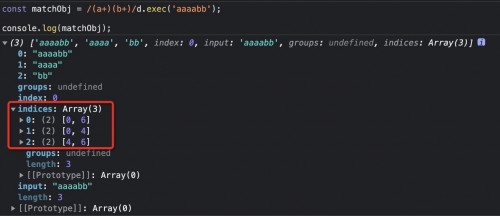
鲸腾FE,来自鲸腾网络。是一支专注于 web 前端的开发团队,并在 web 前端领域积累了多年疑难问题解决经验。崇尚高效、优质、成长、自由、快乐。 ES2022 可能会在 2022 年 6 月成为标准,我们来看看将成为 ES2022 一部分的特性。 Class Fields Public Instance Fields(公有实例字段) 公有实例字段存在于类的每一个实例中。公有实例字段可以在基类的构造过程中(构造函数主体运行前)使用 Object.defineProperty 添加,也可以在子类构造函数中的 super() 函数结束后添加。 const PREFIX = 'prefix'; class ClassWithComputedFieldName { [`${PREFIX}Field`] = 'prefixed field'; instanceField; } const instance = new ClassWithComputedFieldName(); console.log(instance.prefixField); // 预期输出值: "prefixed field" console.log(instance.instanceField); // 预期输出值: "undefined" Private Instance Fields(私有实例字段) 私有实例字段使用 # 名称(发音为“哈希名称”)声明,这些名称以 # 开头。即 # 是名称本身的一部分,声明和访问时也需要加上。私有字段在类声明的构造方法中就可被访问。 从作用域之外引用 # 名称、内部在未声明的情况下引用私有字段、或尝试使用 delete 移除声明的字段都会抛出语法错误。 class ClassWithPrivateField { #privateField; constructor() { this.#privateField = 42; delete this.#privateField; // 语法错误 this.#undeclaredField = 444; // 语法错误 } } const instance = new ClassWithPrivateField() instance.#privateField === 42; // 语法错误 Static class fields and private static methods(静态类字段和私有静态方法) 类(class)通过 static 关键字定义静态方法。不能在类的实例上调用静态方法,而应该通过类本身调用。 class ClassWithStaticMethod { static #PRIVATE_STATIC_FIELD; static staticProperty = 'someValue'; static staticMethod() { return 'static method has been called.'; } static publicStaticMethod() { ClassWithStaticMethod.#PRIVATE_STATIC_FIELD = 42; return ClassWithStaticMethod.#PRIVATE_STATIC_FIELD; } static { console.log('Class static initialization block called'); } } // 预期输出值: "Class static initialization block called" console.log(ClassWithStaticMethod.staticProperty); // 预期输出值: "someValue" console.log(ClassWithStaticMethod.staticMethod()); // 预期输出值: "static method has been called." console.log(ClassWithStaticMethod.publicStaticMethod() === 42); // 预期输出值: true Private instance methods and accessors(私有实例方法) 私有实例方法是类实例上可用的方法,它们的访问方式与私有实例字段相同。 私有实例方法可以是生成器、异步或者异步生成器函数,私有getter和setter。 class ClassWithPrivateAccessor { #message; get #decoratedMessage() { return `${this.#message}`; } set #decoratedMessage(msg) { this.#message = msg; } constructor() { this.#decoratedMessage = 'hello world'; console.log(this.#decoratedMessage); } } new ClassWithPrivateAccessor(); // 预期输出值: "hello world" RegExp Match Indices 正则表达式匹配索引。向正则表达式添加标志 /d 会生成记录每个组捕获的开始和结束的匹配对象。 从上图可以看到输出的对象中增加了 indices 属性,包含匹配组的开始和结束索引。 除了索引值,还可以通过命名来获取匹配的组,如上图所示。 Top-level await 顶级 await 模块。可以在模块的顶层使用 await 并且不再需要输入异步函数或方法。 动态加载模块 let lodash; try { lodash = await import('https://primary.example.com/lodash'); } catch { lodash = await import('https://secondary.example.com/lodash'); } 使用加载速度最快的资源 const resource = await Promise.any([ fetch('http://example.com/first.txt') .then(response => response.text()), fetch('http://example.com/second.txt') .then(response => response.text()), ]); .at() Accessible Object.prototype.hasOwnProperty 即 Object.hasOwn(obj, propKey),可以安全的检查 own 属性,支持所有对象类型。 const proto = { protoProp: 'protoProp', }; const obj = { __proto__: proto, objProp: 'objProp', }; console.log('protoProp' in obj); // 预期输出值: true console.log(Object.hasOwn(obj, 'protoProp')); // 预期输出值: false console.log(Object.hasOwn(proto, 'protoProp')); // 预期输出值: true Error Cause 错误及其子类可以指定错误的原因。在深度嵌套函数中很有用,可以将错误链接起来以快速找到错误。 function doWork() { try { doSomeWork(); } catch (err) { throw new Error('Some work failed', { cause: err }); } try { doMoreWork(); } catch (err) { throw new Error('More work failed', { cause: err }); } } try { doWork(); } catch (err) { switch(err.message) { case 'Some work failed': handleSomeWorkFailure(err.cause); break; case 'More work failed': handleMoreWorkFailure(err.cause); break; } }