iOS开发-委托(Delegate)浅谈
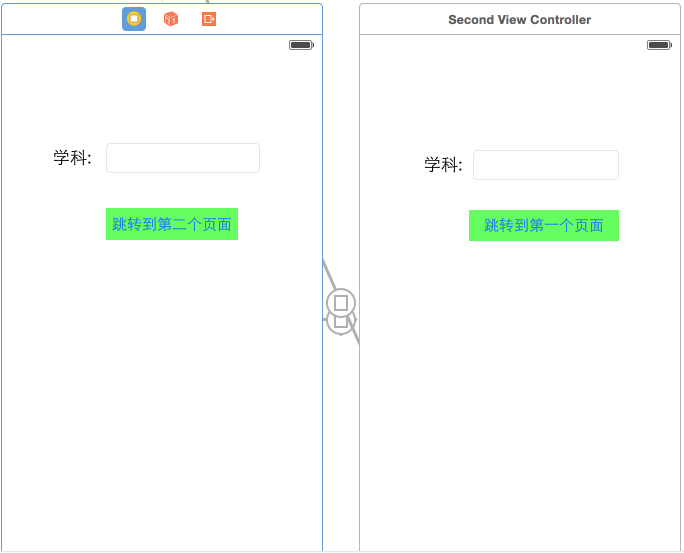
委托其实并不是OC中才有,C#中也有,不过彼此的理解方式是不一样的,OC中委托是协议的一种,需要使用@protocol声明,委托一般在iOS开发中页面中传值用的比较多。委托是Cocoa中最简单、最灵活的模式之一,委托其实字面上的意思就是将需要的事情委托给别人做,业务场景可以参考主视图和子视图之间的页面关系,或者是视图层和数据层之间的交互。 简单的委托 委托通过@protocol声明,可以定义方法,引用委托的对象,需要实现其方法,方法默认都是@required的,同时可以设置为可选的@optional,首先定义个委托: 1 2 3 4 5 6 7 @protocol BookDelegate < NSObject > @required - ( void )getBookCount; @optional - ( void )optionMethod; @end 这个时候定义书籍Book类和客户Customer类: 1 2 3 4 5 6 7 8 9 @interface Book : NSObject <BookDelegate> @end @interface Customer : NSObject <BookDelegate> @property (assign, nonatomic ) id <BookDelegate> didBookDelegate; @end 实现其中的getBookCount方法: 1 2 3 4 5 6 7 8 9 10 11 12 13 14 15 @implementation Book - ( void )getBookCount{ NSLog (@ "Book中getBookCount的实现" ); } @end @implementation Customer - ( void )getBookCount{ NSLog (@ "Customer中getBookCount的实现" ); } @end 简单的调用: 1 2 3 4 5 6 7 Book *book=[[Book alloc]init]; Customer *customer=[[Customer alloc]init]; [customer getBookCount]; [book getBookCount]; 上面几行的代码的结果,不用说大家也能看的懂,接下来看接下来的代码,这个时候大家发现用到了开始顶一个的didBookDelegate: 1 2 3 customer.didBookDelegate=book; [customer.didBookDelegate getBookCount]; 上面就是将Book的实例,Book实现了BookDelegate,这个时候可将Book的实例赋值给customer中的变量,将自己的实例化对象委托给了didBookDelegate。 以上是委托使用基本的场景,作为实例化对象book可以自己执行其方法,也可以通过委托将执行过程转移。 页面传值 简单的就是A页面数据可以传值给B页面,B页面可以传值给A页面,简单的两个页面传值,页面参考如下: 都是文本框和按钮,跳转方式选取的时Modal: 第一个页面ViewController的定义: 1 2 3 4 5 6 7 8 9 10 11 12 #import <UIKit/UIKit.h> #import "SecondViewController.h" @interface ViewController : UIViewController<StudySubjectDelegate> @property (strong, nonatomic ) IBOutlet NSString *firstData; @property (weak, nonatomic ) IBOutlet UITextField *subjectName; @end 第二个页面SecondViewController头文件的定义,并且声明了一个委托: 1 2 3 4 5 6 7 8 9 10 11 12 13 14 15 16 17 18 19 20 21 22 23 24 25 26 27 // // SecondViewController.h // Sample // // Created by keso on 15/2/3. // Copyright (c) 2015年 keso. All rights reserved. // #import <UIKit/UIKit.h> @class SecondViewController; @protocol StudySubjectDelegate < NSObject > - ( void )shouldChangeValue:(SecondViewController*)controller; @end @interface SecondViewController : UIViewController @property (assign, nonatomic ) id <StudySubjectDelegate> firstViewDelegate; @property (weak, nonatomic ) IBOutlet NSString *showData; @property (weak, nonatomic ) IBOutlet UITextField *studySubject; @end ViewController.m中的点击事件: 1 2 3 4 5 6 7 8 9 - ( void )prepareForSegue:(UIStoryboardSegue *)segue sender:( id )sender{ if ([segue.identifier isEqualToString:@ "firstEdit" ]) { SecondViewController *controller=segue.destinationViewController; NSLog (@ "%@" , self .subjectName.text); //将自己本身的实例传递给第二个视图 controller.firstViewDelegate= self ; controller.showData= self .subjectName.text; } } 赋值的方式还可以是这样的,其实中的key就是第二个视图定义的属性: 1 2 3 if ([controller respondsToSelector: @selector (setShowData:)]) { [controller setValue: self .subjectName.text forKey:@ "showData" ]; } 第二个页面的点击事件就比较简单了,代码如下: 1 [ self .firstViewDelegate shouldChangeValue: self ]; 上面中其实可以简单的看到oc中的委托就是将自己的实例交给其他对象的成员变量,然后由其成员变量执行实例的工作,的今天不知道为什么有点头疼,说个事情就是最后的第二个页面跳转到一个页面可以接收到值,无法给UITextField赋值,暂时没有搞明白如何才能赋值上去,每次进入就变成了null,有知道可以指点一下,多谢~ 本文转自Fly_Elephant博客园博客,原文链接:http://www.cnblogs.com/xiaofeixiang/p/4271275.html,如需转载请自行联系原作者