EventBus
EventBus 是一个 Android 事件发布/订阅框架,通过解耦发布者和订阅者简化 Android 事件传递。传统的事件传递方式包括:Handler、BroadCastReceiver、Interface 回调,相比之下 EventBus 的优点是代码简洁,使用简单,并将事件发布和订阅充分解耦。
事件(Event):又可称为消息。其实就是一个对象,可以是网络请求返回的字符串,也可以是某个开关状态等等。事件类型(EventType)指事件所属的 Class。事件分为一般事件和 Sticky 事件,相对于一般事件,Sticky 事件不同之处在于,当事件发布后,再有订阅者开始订阅该类型事件,依然能收到该类型事件最近一个 Sticky 事件。
订阅者(Subscriber):订阅某种事件类型的对象。当有发布者发布这类事件后,EventBus 会执行订阅者的 onEvent 函数,这个函数叫事件响应函数。订阅者通过 register 接口订阅某个事件类型,unregister 接口退订。订阅者存在优先级,优先级高的订阅者可以取消事件继续向优先级低的订阅者分发,默认所有订阅者优先级都为 0。
发布者(Publisher):发布某事件的对象,通过 post 接口发布事件。
类关系
![161419084233587.png]()
流程
![161419324701441.png]()
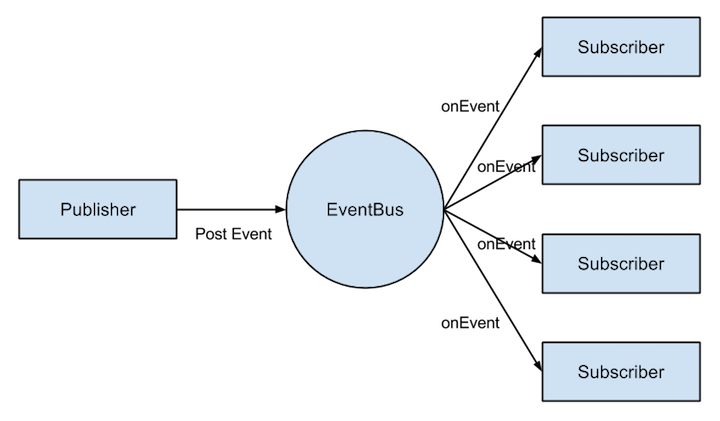
EventBus 负责存储订阅者、事件相关信息,订阅者和发布者都只和 EventBus 关联。
![161419449075073.png]()
订阅者首先调用 EventBus 的 register 接口订阅某种类型的事件,当发布者通过 post 接口发布该类型的事件时,EventBus 执行调用者的事件响应函数。
解析
EventBus 类负责所有对外暴露的 API,其中的 register()、post()、unregister() 函数配合上自定义的 EventType 及事件响应函数即可完成核心功能。
EventBus 默认可通过静态函数 getDefault() 获取单例,当然有需要也可以通过 EventBusBuilder 或 构造函数新建一个 EventBus,每个新建的 EventBus 发布和订阅事件都是相互隔离的,即一个 EventBus 对象中的发布者发布事件,另一个 EventBus 对象中的订阅者不会收到该订阅。
EventBus.getDefault().register(this);
register()方法解析:
public void register(Object subscriber) {
Class<?> subscriberClass = subscriber.getClass();
boolean forceReflection = subscriberClass.isAnonymousClass();
List<SubscriberMethod> subscriberMethods =
subscriberMethodFinder.findSubscriberMethods(subscriberClass, forceReflection);
for (SubscriberMethod subscriberMethod : subscriberMethods) {
            subscribe(subscriber, subscriberMethod);
        }
}
通过一个findSubscriberMethods方法找到了一个订阅者中的所有订阅方法,返回一个 List。
List<SubscriberMethod> findSubscriberMethods(Class<?> subscriberClass, boolean forceReflection) {
String key = subscriberClass.getName();
List<SubscriberMethod> subscriberMethods;
synchronized (METHOD_CACHE) {
subscriberMethods = METHOD_CACHE.get(key);
}
if (subscriberMethods != null) {
return subscriberMethods;
}
if (INDEX != null && !forceReflection) {
subscriberMethods = findSubscriberMethodsWithIndex(subscriberClass);
if (subscriberMethods.isEmpty()) {
subscriberMethods = findSubscriberMethodsWithReflection(subscriberClass);
}
} else {
subscriberMethods = findSubscriberMethodsWithReflection(subscriberClass);
}
if (subscriberMethods.isEmpty()) {
throw new EventBusException("Subscriber " + subscriberClass
+ " and its super classes have no public methods with the @Subscribe annotation");
} else {
synchronized (METHOD_CACHE) {
METHOD_CACHE.put(key, subscriberMethods);
}
return subscriberMethods;
}
}
findSubscriberMethodsWithReflection:
private List<SubscriberMethod> findSubscriberMethodsWithReflection(Class<?> subscriberClass) {
List<SubscriberMethod> subscriberMethods = new ArrayList<SubscriberMethod>();
Class<?> clazz = subscriberClass;
HashSet<String> eventTypesFound = new HashSet<String>();
StringBuilder methodKeyBuilder = new StringBuilder();
while (clazz != null) {
String name = clazz.getName();
if (name.startsWith("java.") || name.startsWith("javax.") || name.startsWith("android.")) {
break;
}
Method[] methods = clazz.getDeclaredMethods();
for (Method method : methods) {
int modifiers = method.getModifiers();
if ((modifiers & Modifier.PUBLIC) != 0 && (modifiers & MODIFIERS_IGNORE) == 0) {
Class<?>[] parameterTypes = method.getParameterTypes();
if (parameterTypes.length == 1) {
Subscribe subscribeAnnotation = method.getAnnotation(Subscribe.class);
if (subscribeAnnotation != null) {
String methodName = method.getName();
Class<?> eventType = parameterTypes[0];
methodKeyBuilder.setLength(0);
methodKeyBuilder.append(methodName);
methodKeyBuilder.append('>').append(eventType.getName());
String methodKey = methodKeyBuilder.toString();
if (eventTypesFound.add(methodKey)) {
ThreadMode threadMode = subscribeAnnotation.threadMode();
subscriberMethods.add(new SubscriberMethod(method, eventType, threadMode,
subscribeAnnotation.priority(), subscribeAnnotation.sticky()));
}
}
} else if (strictMethodVerification) {
if (method.isAnnotationPresent(Subscribe.class)) {
String methodName = name + "." + method.getName();
throw new EventBusException("@Subscribe method " + methodName +
"must have exactly 1 parameter but has " + parameterTypes.length);
}
}
} else if (strictMethodVerification) {
if (method.isAnnotationPresent(Subscribe.class)) {
String methodName = name + "." + method.getName();
throw new EventBusException(methodName +
" is a illegal @Subscribe method: must be public, non-static, and non-abstract");
}
}
}
clazz = clazz.getSuperclass();
}
return subscriberMethods;
}
方法的讲解都在注释里面。
for (SubscriberMethod subscriberMethod : subscriberMethods) {
subscribe(subscriber, subscriberMethod);
}
每个订阅方法都调用subscribe方法:
private void subscribe(Object subscriber, SubscriberMethod subscriberMethod) {
Class<?> eventType = subscriberMethod.eventType;
CopyOnWriteArrayList<Subscription> subscriptions = subscriptionsByEventType.get(eventType);
Subscription newSubscription = new Subscription(subscriber, subscriberMethod);
if (subscriptions == null) {
subscriptions = new CopyOnWriteArrayList<Subscription>();
subscriptionsByEventType.put(eventType, subscriptions);
} else {
if (subscriptions.contains(newSubscription)) {
throw new EventBusException("Subscriber " + subscriber.getClass() + " already registered to event "
+ eventType);
}
}
synchronized (subscriptions) {
int size = subscriptions.size();
for (int i = 0; i <= size; i++) {
if (i == size || subscriberMethod.priority > subscriptions.get(i).subscriberMethod.priority) {
subscriptions.add(i, newSubscription);
break;
}
}
}
List<Class<?>> subscribedEvents = typesBySubscriber.get(subscriber);
if (subscribedEvents == null) {
subscribedEvents = new ArrayList<Class<?>>();
typesBySubscriber.put(subscriber, subscribedEvents);
}
subscribedEvents.add(eventType);
if (subscriberMethod.sticky) {
if (eventInheritance) {
Set<Map.Entry<Class<?>, Object>> entries = stickyEvents.entrySet();
for (Map.Entry<Class<?>, Object> entry : entries) {
Class<?> candidateEventType = entry.getKey();
if (eventType.isAssignableFrom(candidateEventType)) {
Object stickyEvent = entry.getValue();
checkPostStickyEventToSubscription(newSubscription, stickyEvent);
}
}
} else {
Object stickyEvent = stickyEvents.get(eventType);
checkPostStickyEventToSubscription(newSubscription, stickyEvent);
}
}
}
第一步:通过subscriptionsByEventType得到该事件类型所有订阅者信息队列,根据优先级将当前订阅者信息插入到订阅者队列subscriptionsByEventType中;
第二步:在typesBySubscriber中得到当前订阅者订阅的所有事件队列,将此事件保存到队列typesBySubscriber中,用于后续取消订阅;
第三步:检查这个事件是否是 Sticky 事件,如果是则从stickyEvents事件保存队列中取出该事件类型最后一个事件发送给当前订阅者
private void checkPostStickyEventToSubscription(Subscription newSubscription, Object stickyEvent) {
if (stickyEvent != null) {
postToSubscription(newSubscription, stickyEvent, Looper.getMainLooper() == Looper.myLooper());
}
}
private void postToSubscription(Subscription subscription, Object event, boolean isMainThread) {
        switch (subscription.subscriberMethod.threadMode) {
            case PostThread:
                invokeSubscriber(subscription, event);
                break;
            case MainThread:
                if (isMainThread) {
                    invokeSubscriber(subscription, event);
                } else {
                    mainThreadPoster.enqueue(subscription, event);
                }
                break;
            case BackgroundThread:
                if (isMainThread) {
                    backgroundPoster.enqueue(subscription, event);
                } else {
                    invokeSubscriber(subscription, event);
                }
                break;
            case Async:
                asyncPoster.enqueue(subscription, event);
                break;
            default:
                throw new IllegalStateException("Unknown thread mode: " + subscription.subscriberMethod.threadMode);
        }
    }
过程:
- 找到被注册者中所有的订阅方法。
- 依次遍历订阅方法,找到EventBus中eventType对应的订阅列表,然后根据当前订阅者和订阅方法创建一个新的订阅加入到订阅列表。
- 找到EvnetBus中subscriber订阅的事件列表,将eventType加入到这个事件列表。
public void post(Object event) {
PostingThreadState postingState = currentPostingThreadState.get();
List<Object> eventQueue = postingState.eventQueue;
eventQueue.add(event);
if (!postingState.isPosting) {
postingState.isMainThread = Looper.getMainLooper() == Looper.myLooper();
postingState.isPosting = true;
if (postingState.canceled) {
throw new EventBusException("Internal error. Abort state was not reset");
}
try {
while (!eventQueue.isEmpty()) {
postSingleEvent(eventQueue.remove(0), postingState);
}
} finally {
postingState.isPosting = false;
postingState.isMainThread = false;
}
}
}
private void postSingleEvent(Object event, PostingThreadState postingState) throws Error {
Class<?> eventClass = event.getClass();
boolean subscriptionFound = false;
if (eventInheritance) {
List<Class<?>> eventTypes = lookupAllEventTypes(eventClass);
int countTypes = eventTypes.size();
for (int h = 0; h < countTypes; h++) {
Class<?> clazz = eventTypes.get(h);
subscriptionFound |= postSingleEventForEventType(event, postingState, clazz);
}
} else {
subscriptionFound = postSingleEventForEventType(event, postingState, eventClass);
}
if (!subscriptionFound) {
if (logNoSubscriberMessages) {
Log.d(TAG, "No subscribers registered for event " + eventClass);
}
if (sendNoSubscriberEvent && eventClass != NoSubscriberEvent.class &&
eventClass != SubscriberExceptionEvent.class) {
post(new NoSubscriberEvent(this, event));
}
}
}
private boolean postSingleEventForEventType(Object event, PostingThreadState postingState, Class<?> eventClass) {
CopyOnWriteArrayList<Subscription> subscriptions;
synchronized (this) {
subscriptions = subscriptionsByEventType.get(eventClass);
}
if (subscriptions != null && !subscriptions.isEmpty()) {
for (Subscription subscription : subscriptions) {
postingState.event = event;
postingState.subscription = subscription;
boolean aborted = false;
try {
postToSubscription(subscription, event, postingState.isMainThread);
aborted = postingState.canceled;
} finally {
postingState.event = null;
postingState.subscription = null;
postingState.canceled = false;
}
if (aborted) {
break;
}
}
return true;
}
return false;
}
post 函数会首先得到当前线程的 post 信息PostingThreadState,其中包含事件队列,将当前事件添加到其事件队列中,然后循环调用 postSingleEvent 函数发布队列中的每个事件。
postSingleEvent 函数会先去eventTypesCache得到该事件对应类型的的父类及接口类型,没有缓存则查找并插入缓存。循环得到的每个类型和接口,调用 postSingleEventForEventType 函数发布每个事件到每个订阅者。
postSingleEventForEventType 函数在subscriptionsByEventType查找该事件订阅者订阅者队列,调用 postToSubscription 函数向每个订阅者发布事件。
postToSubscription 函数中会判断订阅者的 ThreadMode,从而决定在什么 Mode 下执行事件响应函数。
ThreadMode
-
PostThread:默认的 ThreadMode,表示在执行 Post 操作的线程直接调用订阅者的事件响应方法,不论该线程是否为主线程(UI 线程)。当该线程为主线程时,响应方法中不能有耗时操作,否则有卡主线程的风险。适用场景:对于是否在主线程执行无要求,但若 Post 线程为主线程,不能耗时的操作;
-
MainThread:在主线程中执行响应方法。如果发布线程就是主线程,则直接调用订阅者的事件响应方法,否则通过主线程的 Handler 发送消息在主线程中处理——调用订阅者的事件响应函数。显然,MainThread类的方法也不能有耗时操作,以避免卡主线程。适用场景:必须在主线程执行的操作;
-
BackgroundThread:在后台线程中执行响应方法。如果发布线程不是主线程,则直接调用订阅者的事件响应函数,否则启动唯一的后台线程去处理。由于后台线程是唯一的,当事件超过一个的时候,它们会被放在队列中依次执行,因此该类响应方法虽然没有PostThread类和MainThread类方法对性能敏感,但最好不要有重度耗时的操作或太频繁的轻度耗时操作,以造成其他操作等待。适用场景:操作轻微耗时且不会过于频繁,即一般的耗时操作都可以放在这里;
-
Async:不论发布线程是否为主线程,都使用一个空闲线程来处理。和BackgroundThread不同的是,Async类的所有线程是相互独立的,因此不会出现卡线程的问题。适用场景:长耗时操作,例如网络访问。
我是天王盖地虎的分割线
dependencies {
    compile fileTree(include: ['*.jar'], dir: 'libs')
    compile 'de.greenrobot:eventbus:3.0.0-beta1'
}
Android -- EventBus使用: http://www.cnblogs.com/yydcdut/p/4290846.html
本文转自我爱物联网博客园博客,原文链接:http://www.cnblogs.com/yydcdut/p/4651208.html,如需转载请自行联系原作者